

The Nature of Luck in Gambling
Luck is often perceived as an enigmatic force that sways outcomes in various games, particularly in the realm of gambling. Many players step into a casino with the conviction that luck significantly impacts their chances of winning or losing, especially when they seek the best online casino with instant withdrawal options. This belief is deeply rooted in popular culture, where tales of fortunate streaks and serendipitous spins circulate among players. However, grasping the distinction between luck and the mathematical probabilities that govern casino games is essential for a more realistic outlook on gambling.
At first glance, luck seems to influence outcomes, but it is fundamentally a random occurrence based on chance rather than a controllable factor. In games like slots, roulette, or blackjack, the results are determined by odds and probabilities, ensuring that each outcome is independent of any previous result. For instance, hitting a jackpot on a slot machine arises from random number generation, meaning no amount of wishing or believing in luck can alter the odds established by the game’s design. This understanding is crucial for players who wish to approach gambling with a clear mindset.
The psychological aspect of luck also plays a significant role in how players perceive their gambling experiences. When players attribute their wins to luck, they might overlook the complexities of strategies and skills involved in certain games. This disconnect between actual odds and players’ perceptions creates a fascinating relationship between luck, belief systems, and gambling behavior. In essence, while luck can contribute to a win, recognizing the underlying mechanics and probabilities is vital for making informed decisions at the casino.
The Role of Skill and Strategy
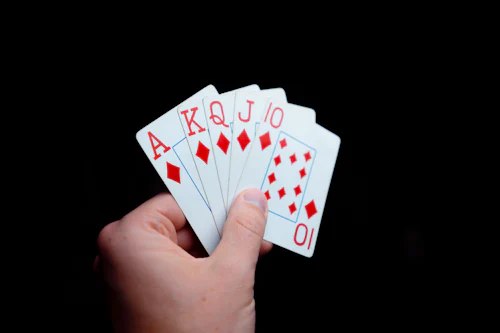
While luck undeniably plays a role in gambling outcomes, skill and strategy can significantly influence results, particularly in games that demand decision-making and tactics. For example, in card games like poker or blackjack, seasoned players can implement strategies to improve their chances of winning. Grasping probabilities, practicing card counting, and understanding opponent behaviors can shift the balance from luck to skill, showcasing how these two elements can coexist within the gambling experience.
Moreover, a deep understanding of the rules and mechanics of a game can provide players with a competitive edge, enabling them to make informed decisions that enhance their potential for winnings. Players who dedicate time to studying their games, mastering various strategies, and comprehending the house edge rely less on luck. Thus, while a lucky hand may favor a player in the short term, skilled play fosters consistent positive outcomes over time, illustrating the intricate interplay between luck and skill in gambling.
Even in games primarily based on luck, such as lotteries or slot machines, players can adopt strategies to manage their risk and enhance enjoyment. For instance, setting a budget, choosing machines with higher payout percentages, and being mindful of their gaming time can influence the overall experience. This proactive approach helps players minimize losses and increase their chances of hitting a winning streak, emphasizing that while luck is a factor, how players engage with the game can significantly affect their outcomes.
The Impact of Superstitions and Beliefs
Superstitions and personal beliefs about luck profoundly influence how individuals interact with gambling. Many players adopt rituals or habits they believe will enhance their luck, such as wearing lucky clothing, using specific tokens, or adhering to particular routines before placing bets. These beliefs can create a psychological advantage for players, endowing them with a sense of control over an unpredictable environment.
The prevalence of superstition in gambling is supported by various anecdotal accounts and psychological research. Players often report feeling “luckier” when they engage in these rituals, attributing their wins to their beliefs. For instance, a player might win several rounds after performing a specific ritual, thereby reinforcing their belief in its effectiveness, regardless of the game’s inherent randomness. This interplay highlights the importance of mindset in gambling, demonstrating how perceived luck can significantly impact a player’s emotional journey and decision-making process.
Furthermore, casinos are acutely aware of the power of superstitions and often design their environments to cater to these beliefs. The strategic placement of gaming machines, the use of specific colors, and the overall ambiance are all influenced by psychological factors aimed at enhancing players’ feelings of luck and enjoyment. By creating an atmosphere that feels “lucky,” casinos can encourage players to spend more time gambling, further illustrating how the belief in luck is a crucial aspect of the overall gambling experience.
The Illusion of Control
One of the most intriguing aspects of gambling is the illusion of control that players frequently experience. Many individuals believe that specific actions or strategies can influence the outcomes of games, leading them to feel more in command of their luck. This phenomenon is particularly evident in games like roulette, where players may think that their choices—such as betting on red or black—can sway the game in their favor. However, this belief epitomizes the cognitive bias known as the illusion of control.
This illusion can lead players to underestimate the randomness that characterizes casino games, resulting in risky behavior and poor decision-making. For instance, a player might continue to place larger bets following a winning streak, convinced they are on a lucky run, even though the odds remain unchanged. Recognizing this cognitive bias is crucial for players, as it can help them adopt more rational approaches to gambling, focusing on probabilities rather than misguided beliefs about their ability to influence outcomes.
Ultimately, distinguishing between luck and perceived control can significantly shape a player’s gambling experience. It’s essential for players to understand that while luck can sometimes yield unexpected wins, the game itself remains inherently random. By adopting a more realistic perspective, gamblers can enjoy their time at the casino while maintaining a healthier outlook on wins and losses, which can mitigate the emotional highs and lows that often accompany gambling.
Understanding Responsible Gambling
As compelling as the dynamics of luck, skill, and superstition are in gambling, discussing responsible gambling is equally crucial. Players should approach their gaming experiences with a balanced understanding of how these factors intertwine. Recognizing that luck is only one piece of a much larger puzzle can lead to healthier gambling habits and a more enjoyable experience overall.
Responsible gambling involves setting limits, comprehending the odds, and recognizing when to take a break. By being aware of the role luck plays, players can avoid the trap of chasing losses or becoming overly reliant on lucky streaks. Instead, they can adopt a more measured approach, focusing on entertainment rather than solely on winning. This mindset fosters a healthier relationship with gambling, ensuring that it remains a fun and enjoyable activity rather than a source of stress or financial strain.
Many casinos actively promote responsible gambling initiatives, providing resources and tools to help players maintain control over their gambling habits. By educating themselves on the risks and realities of gambling, players can make informed decisions and engage with games in a manner that prioritizes enjoyment and safety. Understanding the interplay between luck, skill, and responsible gambling empowers players to create a more fulfilling and enjoyable casino experience.